Why Iron Can Damage Your Water Softener in Oak Creek WI
Orange stains around sinks and toilets can be an obvious sign of iron in your water, but treating iron is not the same as treating hard water. A standard water softener is designed primarily to reduce calcium and magnesium. When too much iron enters the system, it can accumulate on the resin and interfere with its performance. Knowing when iron needs separate treatment can help protect your water softener.
Iron Is Different From Hardness
Hard water and iron are two separate water quality concerns.
Hardness is mainly caused by calcium and magnesium. A traditional water softener uses ion exchange to remove these minerals from the water.
Iron can behave differently depending on its form and concentration. Some water softeners can handle small amounts of certain types of iron, but a standard softener should not automatically be treated as an iron removal system.
When iron levels are significant, dedicated treatment may be needed.
Why Is Iron a Problem for Resin?
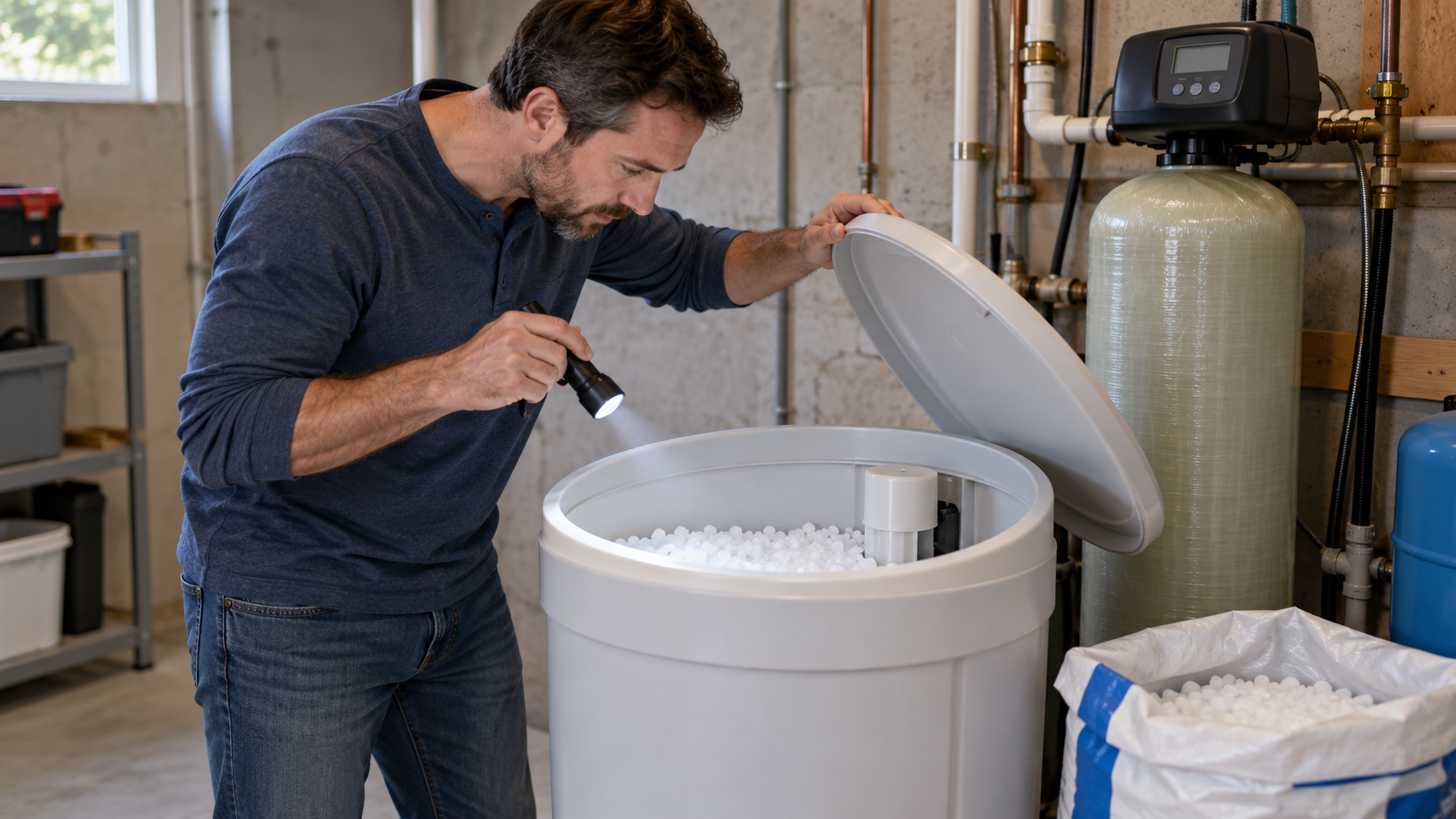
A water softener relies on thousands of tiny resin beads to perform ion exchange.
These beads attract calcium and magnesium as hard water passes through the tank. Certain forms of iron can also interact with the resin and accumulate on its surface.
Think of the resin beads as tiny work surfaces. When iron builds up on those surfaces, the resin may become less effective at exchanging ions.
This condition is commonly referred to as resin fouling.
Once resin becomes fouled, the softener may not perform as efficiently as it did when it was new.
What Does Iron Staining Look Like?
Iron can leave some very recognizable signs throughout your home.
Orange, reddish, or brown stains may appear around toilets, sinks, bathtubs, and other plumbing fixtures. You may also notice discoloration on clothing after washing.
Some forms of dissolved iron may not be visible when the water first comes from the faucet. The water can look clear and later develop staining after being exposed to air.
Other types of iron can appear as visible particles or sediment.
Because different forms of iron require different treatment approaches, testing the water is important.
Why Adding More Salt Does Not Solve Iron Problems
It can be tempting to think that increasing the amount of salt in your softener will help remove more iron.
Salt is primarily used to regenerate the resin. It does not make a standard softener a dedicated iron filtration system.
If iron is repeatedly entering the softener, simply adding more salt may increase salt consumption without addressing the underlying problem.
The better approach is to determine how much iron is present and identify the type of treatment it requires.
When an Iron Filter Makes Sense
If testing shows that your water contains significant iron, an iron filter or another dedicated treatment system may be appropriate.
In some homes, iron treatment is installed before the water softener.
This allows the iron treatment equipment to focus on removing iron while the water softener concentrates on reducing calcium and magnesium.
The exact setup depends on the water chemistry, iron concentration, and other conditions in the home's water supply.
What Happens When Iron Reaches the Softener?
When iron is allowed to enter a standard softener in excessive amounts, the resin can gradually become fouled.
As the resin becomes affected, the softener may have more difficulty performing its normal job. Hardness minerals may begin passing through the system, and homeowners may notice the return of mineral spots or other signs of hard water.
In some cases, the resin may require specialized cleaning. If the damage is significant or the resin is old, replacement may eventually be necessary.
Preventing the problem is generally preferable to waiting until the resin has already been affected.
Water Testing Should Come First
If you suspect iron in your Oak Creek home, start with a water test.
Testing can identify the concentration of iron and provide information about other characteristics of your water that may affect treatment.
This information helps determine whether you need a water softener, an iron filter, or a combination of systems.
Without testing, it is easy to choose equipment based on symptoms rather than the actual water condition.
Do Not Treat Every Stain as Hard Water
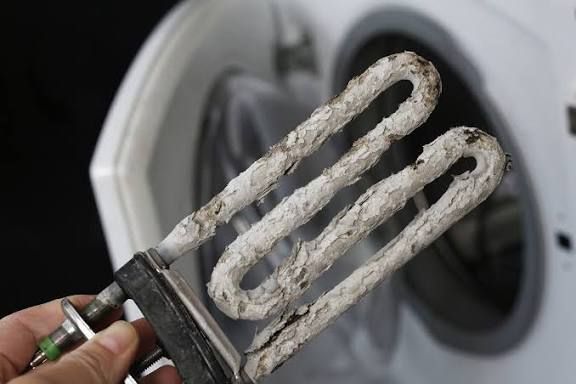
Orange or brown staining is not the same as the white mineral deposits typically associated with hard water.
White or cloudy deposits often point toward calcium and magnesium. Orange and reddish staining can indicate iron.
The distinction matters because the appropriate treatment can be completely different.
If you are seeing both types of buildup, your home may have more than one water quality issue.
Protect Your Water Treatment Equipment
A water softener is an effective tool when it is used for the conditions it was designed to handle.
If your Oak Creek, WI, water contains significant iron, addressing the iron before it causes problems can help protect the softener's resin and maintain more consistent performance.
Oak Creek Water Softener helps homeowners understand their water quality and explore appropriate treatment options. If you are dealing with orange staining, concerns about iron, or a softener that is not performing as expected, contact Oak Creek Water Softener for professional water treatment guidance.