
How Does a Water Softener Work? Understanding the Ion Exchange Process
Oak Creek Water Softener • November 16, 2026A Simple Guide to How Water Softeners Remove Hard Minerals and Help Protect Your Oak Creek Home
Have you ever wondered what actually happens inside a water softener? You add salt to the brine tank, the system runs automatically, and somehow the hard water entering your home becomes soft water. But how does it work?
The secret is a process called ion exchange. Although the name sounds technical, the idea is surprisingly simple. A water softener works much like a mineral swap meet, removing unwanted hardness minerals and replacing them with sodium or potassium ions.
For homeowners in Oak Creek, Wisconsin, understanding this process can help explain why water softeners are useful for managing hard water and reducing mineral buildup throughout the home.
What Makes Water Hard in the First Place?
Water naturally collects minerals as it moves through underground soil and rock formations. Two of the most common minerals responsible for hard water are calcium and magnesium.
These minerals are not usually a health concern, but they can create frustrating household problems.
Some common signs of hard water include:
- White mineral spots on faucets and showerheads
- Cloudy glassware after washing
- Soap scum in showers and bathtubs
- Stiff towels and rough-feeling laundry
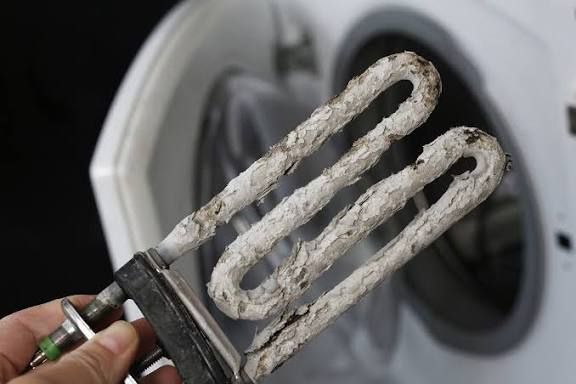
- Mineral deposits inside water heaters and plumbing fixtures
A water softener helps address these problems by removing calcium and magnesium from the water before it travels throughout your home's plumbing system.
How Does the Ion Exchange Process Work?
Think of a water softener as a system with thousands of tiny mineral-catching beads.
Inside the main tank is a special material called ion exchange resin. These small resin beads carry sodium or potassium ions that can be exchanged for calcium and magnesium ions.
Here is how the process works:
Step 1: Hard Water Enters the System
Water from your home's supply enters the water softener tank. It contains dissolved calcium and magnesium minerals that cause water hardness.
Step 2: Water Passes Through the Resin Beads
As the water moves through the tank, it comes into contact with thousands of tiny resin beads. These beads attract calcium and magnesium more strongly than they hold sodium ions.
Step 3: The Minerals Are Exchanged
The resin beads capture the calcium and magnesium ions and release sodium or potassium ions into the water.
This exchange removes the minerals responsible for hardness.
Step 4: Softened Water Travels Throughout Your Home
After passing through the resin bed, the treated water continues through your plumbing system. Your faucets, showers, washing machine, dishwasher, and water heater can now receive softened water.
What Is the Role of Salt in a Water Softener?
Many homeowners assume that salt directly softens the water. However, salt has a different job.
Salt is used during a process called regeneration, which restores the resin beads so they can continue removing hardness minerals.
As the system operates, the resin beads gradually become loaded with calcium and magnesium.
When regeneration begins, the water softener draws a concentrated salt solution from the brine tank and sends it through the resin bed.
This concentrated solution removes the accumulated hardness minerals from the resin and replaces them with sodium ions.
The unwanted minerals are then flushed down the drain, leaving the resin ready to soften more water.
What Are the Main Parts of a Water Softener?
A traditional water softener has several important components that work together.
1. Mineral Tank
This is the main tank containing the resin beads. It is where the ion exchange process takes place.
2. Brine Tank
The brine tank stores salt and water to create the concentrated salt solution needed for regeneration.
3. Control Valve
The control valve manages water flow, regeneration cycles, and the overall operation of the system.
4. Resin Beads
These tiny beads attract calcium and magnesium ions and exchange them for sodium or potassium ions.
Each component plays an important role in keeping the system operating properly.
Why Is Regular Water Softener Maintenance Important?
Like other household equipment, a water softener needs occasional maintenance to perform properly.
Here are some basic maintenance practices homeowners should follow:
- Check salt levels regularly and refill when needed.
- Watch for salt bridges that prevent salt from dissolving properly.
- Keep the brine tank clean and inspect it for accumulated residue.
- Check for unusual changes in water quality.
- Follow the manufacturer's recommendations for resin and system maintenance.
Regular attention can help prevent common operating problems and extend the useful life of your equipment.
Is a Water Softener Worth Considering for Your Oak Creek Home?
If your home experiences white mineral deposits, soap scum, cloudy glassware, or frequent scale buildup, hard water may be contributing to the problem.
A properly sized water softener can help reduce calcium and magnesium, improve soap performance, and minimize scale formation in water-using appliances and plumbing fixtures.
The right system depends on your household's water hardness, daily water usage, and specific treatment needs.
Explore Water Softening Solutions in Oak Creek, WI
Understanding how a water softener works makes it easier to see why so many homeowners consider installing one.
With the ion exchange process, a properly maintained system can help manage hard water minerals and make everyday household cleaning easier.
If you are experiencing hard water problems, contact Oak Creek Water Softener to learn more about available water softening options for your home.
Better water quality starts with understanding your water and choosing the right treatment solution.
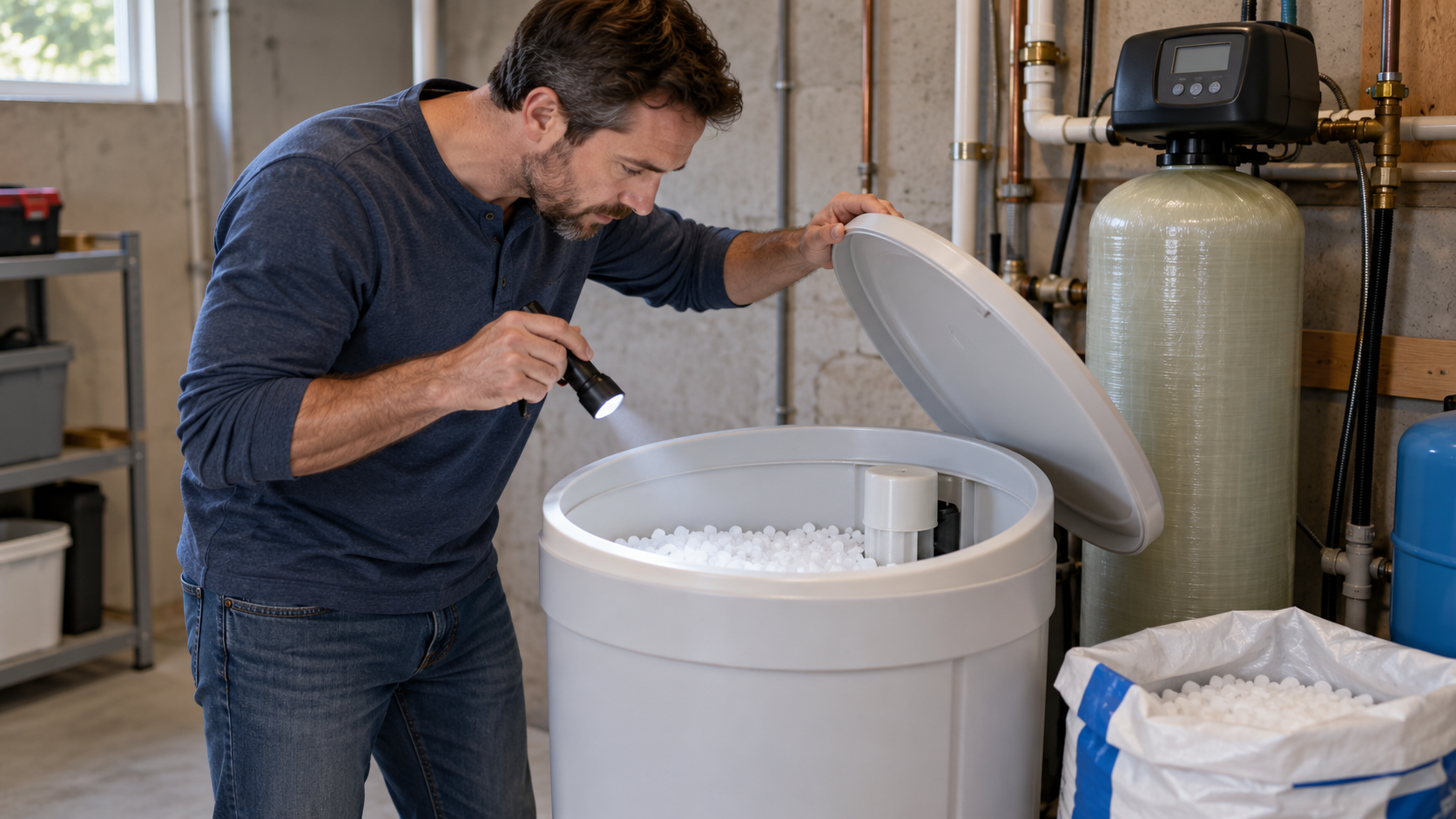
How Often Should You Clean Your Water Softener Brine Tank in Oak Creek WI?
By Oak Creek Water Softener • October 13, 2026 Learn when and how to clean a water softener brine tank in Oak Creek WI, recognize salt bridges and residue, and keep your system working properly.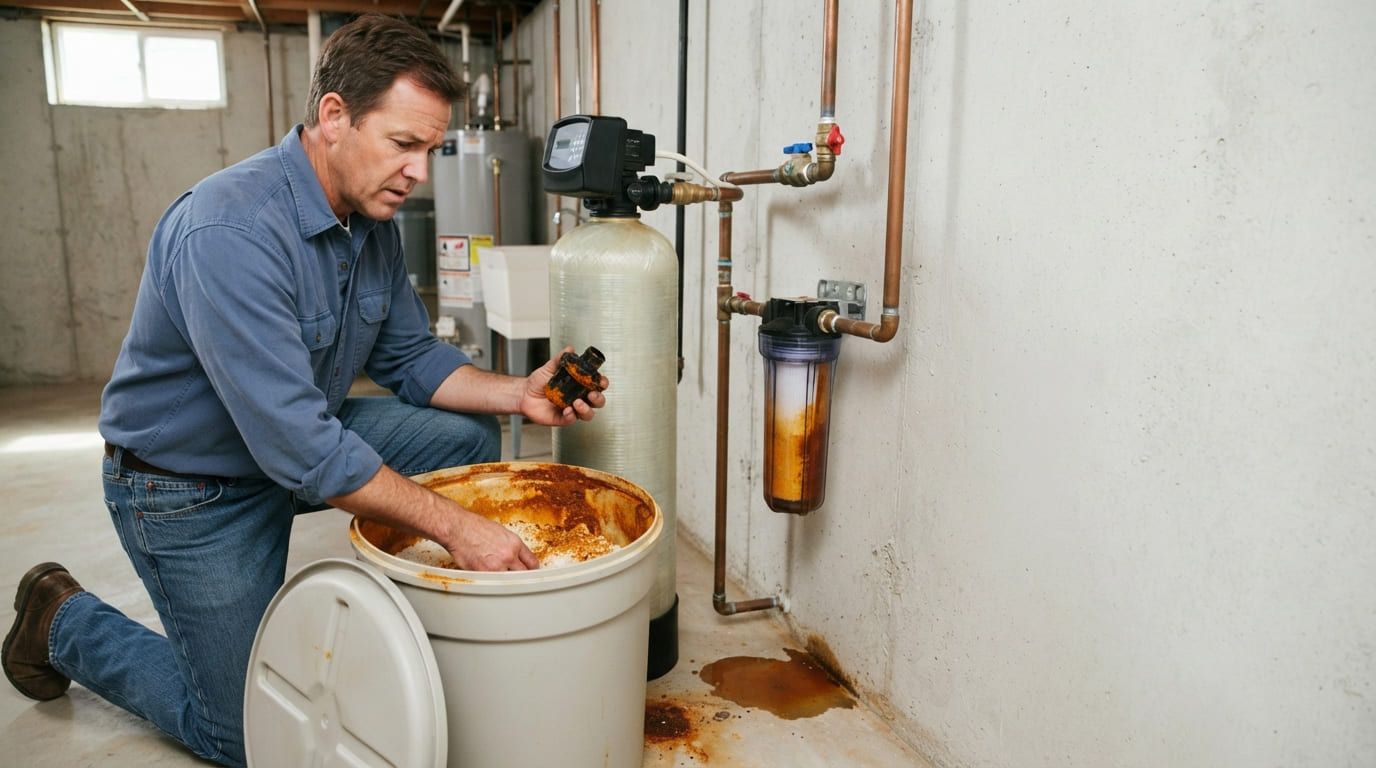
Why Iron Can Damage Your Water Softener in Oak Creek WI
By Oak Creek Water Softener • September 27, 2026 Learn why iron can foul water softener resin, reduce system performance, and require dedicated iron filtration before water reaches your softener.