Hard Water 101: What Causes White Spots on Faucets and How Hard Water Affects Your Appliances?
Oak Creek Water Softener • November 10, 2026Discover what causes chalky white spots, how hard water contributes to mineral buildup, and what grains per gallon (GPG) means for your home's water quality in Oak Creek, WI.
Have you ever cleaned your kitchen faucet, only to find chalky white spots appearing again a few days later? Maybe your shower doors look cloudy, your dishes have stubborn water spots, or your appliances seem to collect buildup over time.
These could be signs of hard water.
Hard water is a common household concern caused by naturally occurring minerals in the water supply. Although it may look harmless, those minerals can gradually accumulate on plumbing fixtures and inside appliances.
For homeowners in Oak Creek, Wisconsin, understanding hard water is the first step toward protecting household plumbing and making everyday cleaning easier.
Let's explore what causes hard water, how to recognize it, and what you can do about it.
What Is Hard Water?
Hard water is water that contains elevated levels of dissolved minerals, mainly calcium and magnesium.
As water travels through underground rock and soil, it can pick up these minerals before reaching your home.
You usually cannot see dissolved calcium and magnesium when water comes out of the faucet. However, when water evaporates, the minerals can remain behind and form visible deposits.
That's why you may notice:
- White or chalky spots on faucets
- Cloudy shower doors and glassware
- Mineral deposits around sink drains
- Buildup on showerheads
- Soap that doesn't lather easily
- Residue on dishes after washing
These signs can indicate hard water, although a water test is the best way to confirm it.
What Are Those Crusty White Spots on Your Faucets?
Those stubborn white spots are often mineral deposits left behind when hard water evaporates.
Calcium and magnesium can collect on faucets, showerheads, sinks, and other surfaces. Over time, these deposits may become thick and difficult to remove.
You might notice them around:
- Kitchen and bathroom faucets
- Shower doors and tiles
- Bathtub fixtures
- Dishwashers and glassware
- Washing machine connections
Regular cleaning can remove some surface deposits, but the spots may continue returning if the water entering your home remains hard.
A water softener can help address the problem by reducing calcium and magnesium before the water travels through your plumbing.
What Does GPG Mean in Water Hardness?
When discussing hard water, you'll often hear the term grains per gallon, or GPG.
GPG is simply a measurement used to describe how much hardness mineral is present in a gallon of water.
Think of it as a way to measure how hard your water really is.
The higher the GPG number, the more calcium and magnesium your water contains.
Here is a general guide to understanding water hardness:
Water HardnessGPG MeasurementSoft0–3 GPGSlightly hard3–7 GPGModerately hard7–10 GPGHard10–14 GPGVery hardAbove 14 GPG
These categories are general guidelines, and exact classifications may vary slightly between references.
For example, water measuring 12 GPG contains more hardness minerals than water measuring 5 GPG. This means a water softener generally has to remove more minerals from the harder water.
Knowing your home's GPG level can help determine whether a water softener is appropriate and what capacity your household may need.
How Can Hard Water Affect Your Household Appliances?
Hard water doesn't just leave spots on surfaces. Mineral deposits can also accumulate inside appliances that regularly use hot water.
Here are some common examples.
1. Water Heaters
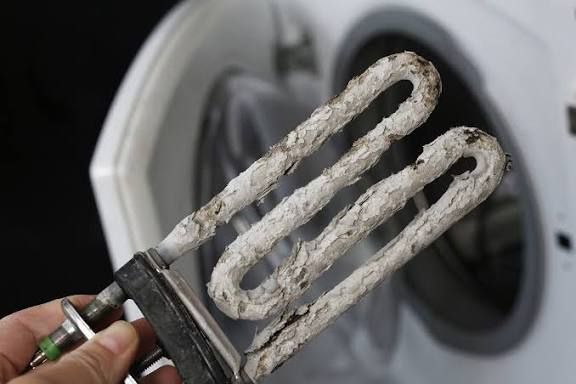
Calcium and magnesium can form scale deposits inside water heaters and on heating components.
This buildup may reduce heat transfer efficiency and contribute to additional maintenance needs over time.
2. Dishwashers
Hard water can leave cloudy spots and mineral residue on plates, glasses, and silverware.
You may find yourself washing dishes again or using additional cleaning products to improve their appearance.
3. Washing Machines
Mineral deposits can accumulate in parts of your washing machine over time.
Hard water can also make it more difficult for detergents to work effectively, potentially leaving residue on fabrics.
4. Coffee Makers and Other Small Appliances
Appliances that heat water can develop mineral scale inside their components.
Coffee makers, kettles, and similar equipment may need periodic descaling to remove accumulated deposits.
5. Plumbing Fixtures and Pipes
Mineral deposits can collect around faucets, showerheads, and plumbing components.
Heavy scale buildup inside pipes may restrict water flow in some situations.
Why Does Hard Water Make Soap Less Effective?
Have you ever noticed that soap doesn't produce much foam or that shampoo feels difficult to rinse away?
Hardness minerals can react with certain soap ingredients, reducing lather and creating residue.
This can affect everyday activities such as:
- Showering and washing your hair
- Washing your hands
- Cleaning dishes
- Doing laundry
- General household cleaning
Softened water contains much less calcium and magnesium hardness, allowing many soaps and detergents to lather more easily.
Some homeowners also notice that their skin and hair feel different after switching to softened water, although individual experiences vary.
How Does a Water Softener Help With Hard Water?
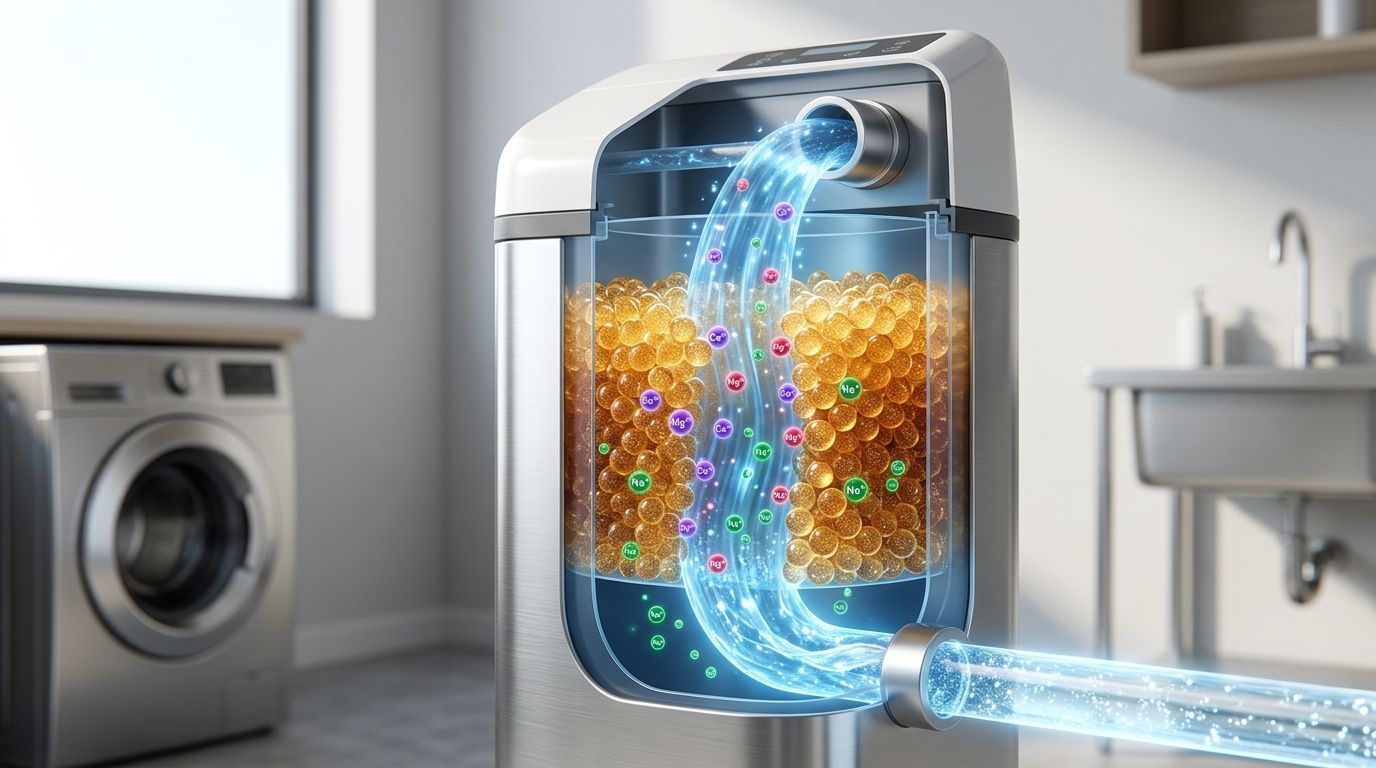
A traditional salt-based water softener uses a process called ion exchange.
Inside the system is a tank filled with small resin beads.
As hard water passes through the tank, the resin beads attract calcium and magnesium ions and exchange them for sodium or potassium ions.
This reduces the hardness minerals in the water before it enters your home's plumbing.
The system periodically regenerates using a saltwater solution to restore the resin beads so they can continue treating water.
With proper sizing and maintenance, a water softener can help:
- Reduce calcium and magnesium hardness
- Minimize new mineral scale formation
- Reduce white spots on faucets and fixtures
- Improve soap and detergent performance
- Help protect appliances from hard water scale
Keep in mind that a water softener reduces hardness; it does not remove every possible contaminant from water.
How Can You Tell If Your Oak Creek Home Has Hard Water?
If you're unsure about your water quality, look for some of these common warning signs:
- White deposits appearing on faucets and showerheads
- Cloudy glassware after washing
- Soap that doesn't lather easily
- Mineral buildup around drains
- Frequent descaling of water-using appliances
- Spots or residue on dishes and bathroom surfaces
These symptoms can point toward hard water, but they aren't a substitute for testing.
A simple water hardness test can help identify the GPG level and give you a better understanding of your household's water.
Why Water Testing Is an Important First Step
Before choosing a water softener, it's helpful to know exactly what you're dealing with.
Water hardness can vary depending on the water source and individual property conditions. That's why homeowners shouldn't assume that every house in Oak Creek has the same hardness level.
A water test can help determine:
- The hardness level in GPG
- Whether iron is present
- Whether additional filtration may be needed
- The appropriate water softener capacity
Having this information makes it easier to choose a system that matches your household's actual needs.
Take Control of Hard Water in Your Oak Creek, WI Home
Those chalky faucet spots and cloudy dishes may seem like small inconveniences, but they can be signs of a larger hard water issue.
Understanding your water hardness level helps you make informed decisions about protecting your plumbing fixtures, maintaining appliances, and improving everyday household cleaning.
If you're tired of constantly dealing with mineral deposits, a properly selected water softener may be worth considering.
Need Help With Hard Water in Oak Creek?
Contact Oak Creek Water Softener to learn more about water softener systems, water hardness testing, and treatment solutions in Oak Creek, Wisconsin.
Whether you're noticing white spots on your faucets, dealing with mineral buildup, or considering a new water softener, getting the right information can help you find a suitable solution for your home.
Don't let hard water make everyday cleaning more difficult. Take the first step toward better water management with Oak Creek Water Softener!
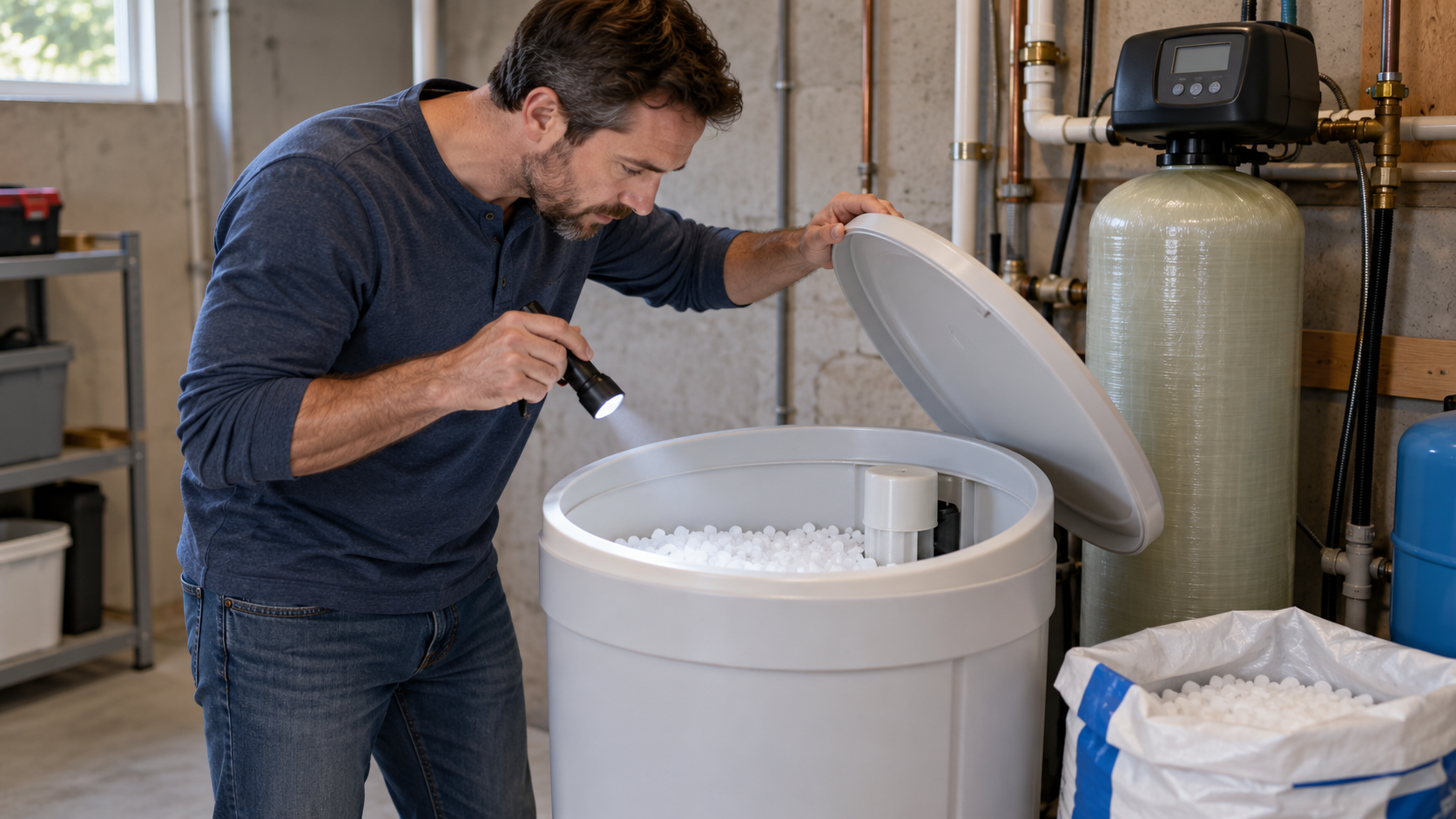
How Often Should You Clean Your Water Softener Brine Tank in Oak Creek WI?
By Oak Creek Water Softener • October 13, 2026 Learn when and how to clean a water softener brine tank in Oak Creek WI, recognize salt bridges and residue, and keep your system working properly.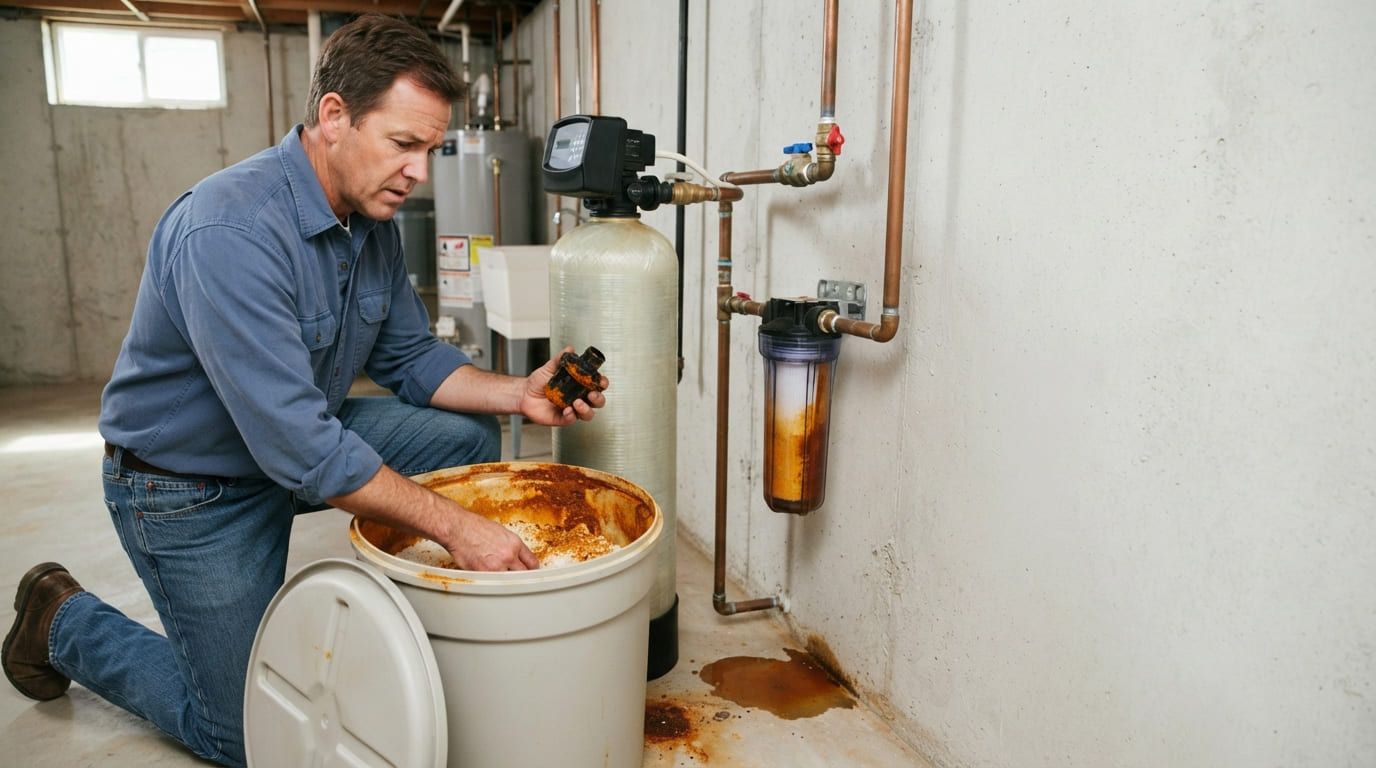
Why Iron Can Damage Your Water Softener in Oak Creek WI
By Oak Creek Water Softener • September 27, 2026 Learn why iron can foul water softener resin, reduce system performance, and require dedicated iron filtration before water reaches your softener.